Sell Smarter with Retail Analytics
For boutique owners, retail analytics isn’t about complex dashboards. It’s about understanding sales, customers, and trends clearly enough to make better day-to-day decisions.
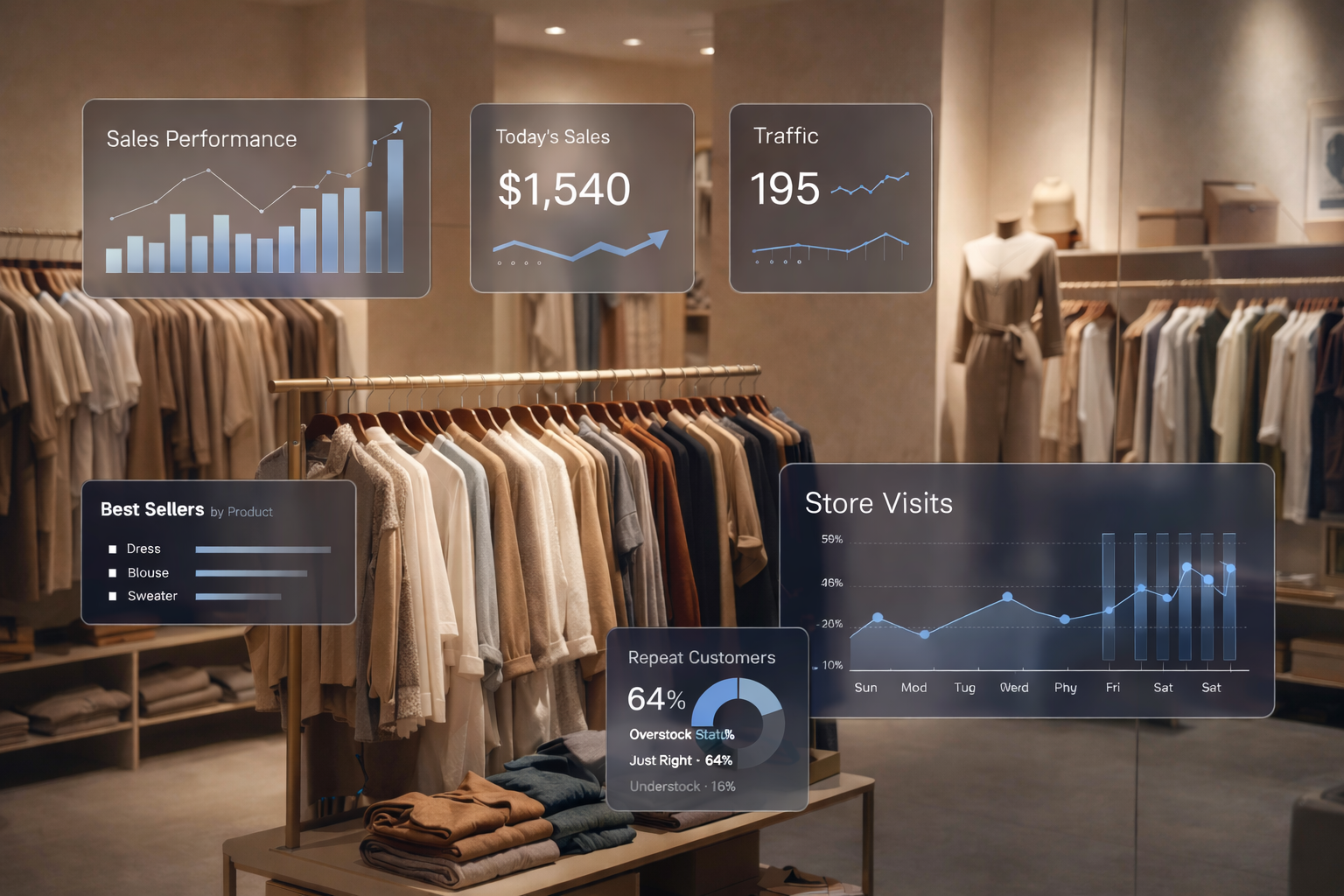
Understanding Retail Analytics in a Boutique ContextFor many boutique owners, data already exists — in billing systems, POS tools, loyalty programs, or even notebooks. Retail analytics is simply the practice of bringing this scattered information together and making sense of it in a way that supports everyday decisions.Rather than focusing on complex numbers, analytics helps answer practical questions about what is selling, when customers visit, and how the business is performing over time.
Why Analytics Matters for Small Retail BusinessesBoutique stores often operate with limited staff, tight margins, and fast-changing customer preferences. Decisions are usually made quickly and based on experience. While intuition is valuable, it can only go so far.Analytics adds clarity by showing patterns that are easy to miss during daily operations. It highlights trends that help store owners plan ahead instead of reacting late.
Common Questions Analytics Helps AnswerWith the right data in place, boutique owners can start answering questions like:Which products consistently sell and which remain on shelves?Are weekends or weekdays driving more revenue?Do promotions increase actual sales or just foot traffic?Are returning customers becoming more frequent?When these questions are answered with data, planning becomes more confident and less stressful.
How Analytics Supports Smarter Inventory PlanningStock management is one of the most common challenges for boutiques. Ordering too much ties up cash, while ordering too little leads to missed sales.Analytics highlights product movement over time, helping store owners adjust ordering patterns before issues become costly. Even small adjustments can make a noticeable difference to cash flow and shelf relevance.
Measuring Marketing Without GuessworkMarketing efforts often feel successful because they are visible — posters, QR codes, social media posts, or discounts. Analytics helps connect these efforts to actual outcomes.By comparing activity before and after campaigns, boutique owners can understand which actions encourage visits, repeat purchases, or higher spending. This allows budgets to be focused on initiatives that genuinely support growth.
Keeping Analytics Simple and UsefulOne of the biggest misconceptions is that analytics requires technical knowledge or complex systems. In reality, useful analytics focuses on a small set of meaningful indicators rather than overwhelming reports.The goal is clarity, not complexity — clear visuals, simple comparisons, and insights that can be acted on immediately.
How Kubee Analytics Fits Into This ApproachKubee Analytics is designed to support boutique retailers who want clarity without complication. It brings together sales performance and customer engagement insights in a way that aligns with how small retail businesses actually operate.Instead of switching between tools or spreadsheets, store owners can focus on understanding trends and improving decisions with minimal setup.
Closing ThoughtsRetail analytics doesn’t replace experience — it strengthens it. For boutique stores, it provides a clearer picture of what is working, what needs adjustment, and where opportunities exist.By understanding their data in practical terms, boutique owners gain more control over decisions and build a more resilient business over time.